Wedding Shoes: Comfort All Day
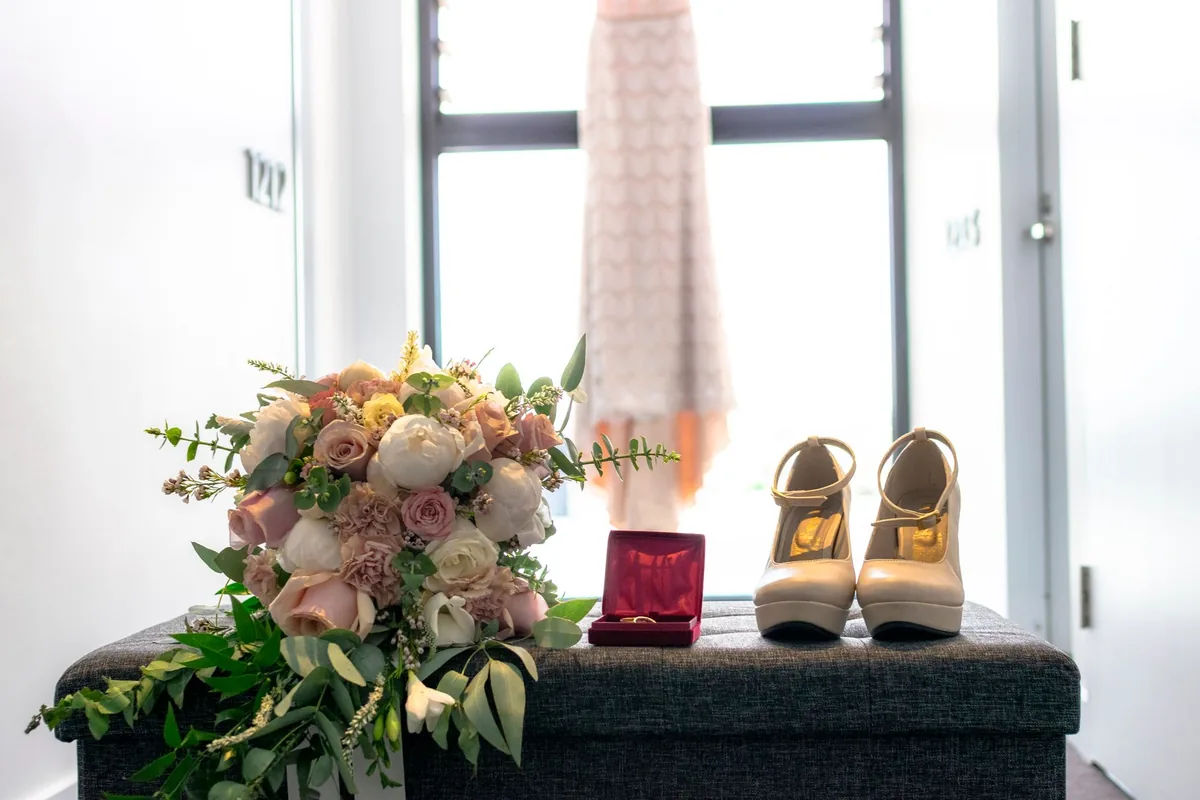
Wedding shoes are the one accessory you wear all day, so comfort is logistics, not vanity. The plan is simple: match heel height to each part of the day, choose a heel you can actually walk in, break the shoes in early, and keep a backup pair and a small rescue kit. Get this right and you can stand, greet, dance and pose for ten hours without thinking about your feet. One rule helps: the ceremony shoe is the beautiful one; the reception is where comfort wins.
Heel height and type: matching the day
Ceremonies mean slow aisle steps, standing for photos and constant pivoting. A three- to six-centimetre heel, or a low block, keeps posture elegant and feet stable; a taller heel is fine for pictures if you practise and can slip the shoes off between takes. For the reception, choose a lower, wider heel or a smart flat, because you will be on your feet far longer than you expect, usually on hard floors. Test the height at home, not in the shop: walk in the candidates for thirty minutes on a hard floor, and if pressure forms at the ball of the foot or the heel, it will only worsen over hours of standing. If you are torn between two heights, buy the lower one and keep the taller pair as a photo prop; your feet will thank you at the end of the night.
Block heels spread weight across the whole heel and are the most stable option on grass and uneven stone; they are the workhorse of the day. Stilettos photograph beautifully but sink into grass, catch on grates and cobbles and concentrate pressure, so keep them for paved indoor settings and short bursts. Wedges forgive soft ground and suit long wear, though they look casual and are slow to remove. Kitten and low tapered heels are the best compromise: enough height for a long gown, stable enough to walk in.
- Block heel: spreads the weight; safest outdoors and for long standing.
- Stiletto: elegant in photos; best on hard, level floors only.
- Wedge: comfortable on grass; less formal and hard to slip off.
- Kitten or low taper: height with stability; the all-day compromise.
Materials matter too: leather softens and moulds to the foot, satin and silk look rich but mark easily, and patent or synthetic finishes can be stiff and hot. Test that the shoe stays firmly on your foot at a normal stride; otherwise you grip with your toes and tire quickly.
Break in shoes and add comfort gear
Buy the shoes at least four to six weeks early and wear them in short sessions: ten minutes on carpet, then half an hour, then an hour, moving on to hard floors and short outdoor walks. Thick socks stretch leather gently, and a hairdryer on low heat softens tight spots, but never overheat the shoe. Scuff the soles so they grip rather than slide on polished stone, and rehearse the aisle walk in the real shoes.
Small additions do most of the work. A cushioned or gel insole supports the arch and softens hard floors; a half-insole suits a snug shoe because it will not steal toe room. Heel grips stop the foot slipping at the back, and ball-of-foot pads cushion the metatarsals, where pain usually starts. Moleskin and adhesive strips cover rubbing spots, but apply them before the skin breaks, not after. Keep a thin pair of socks and a thicker pair on hand, because the fit of an evening shoe often changes once your feet warm up and swell.
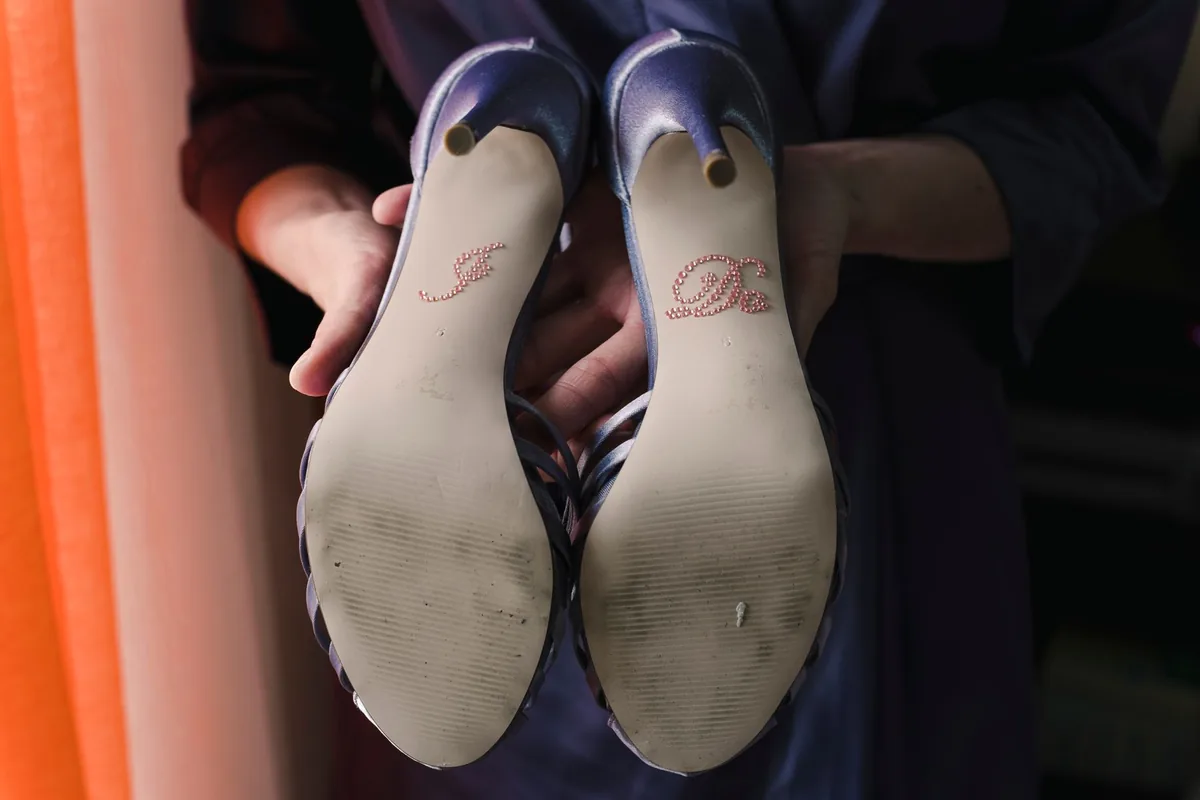
Two shoes, one day: planning the swap
Wearing delicate heels for the ceremony and a lower heel or flat for the reception is the classic comfort strategy. Keep the backup pair genuinely walkable and already broken in. If both pairs share a colour and shape, the change will not disrupt photos; if they differ, use the ceremony shoe for formal portraits and the comfortable shoe for dancing. Put the backup shoes and kit in a labelled bag with a helper, and tell your partner and the planner where they are. A heels-to-flats change mid-reception is completely normal, and no one will mind. Ask a trusted friend to hold the flats during photos so you can switch the moment dancing starts, without walking back to the room.
Grass, sand and uneven ground
Outdoor floors are the biggest comfort trap. On grass, a block heel or wedge spreads the load and will not sink, while a stiletto spears straight through. On sand, choose flats, block heels or a barefoot plan, and prefer a low, wide heel to a narrow one. On gravel and cobblestone, use a wider heel with a firm sole and carry a backup flat. On stone and marble, scuff the sole and add anti-slip pads, because polished surfaces are genuinely slippery. If the ceremony is outdoors, ask whether the aisle will be laid with a runner or boards, and walk the full route from the getting-ready room to the reception so you know every surface you will cross. Keep a spare pair of flats in the car for the drive home, too: shoes that felt fine at nine in the morning rarely feel fine at midnight.
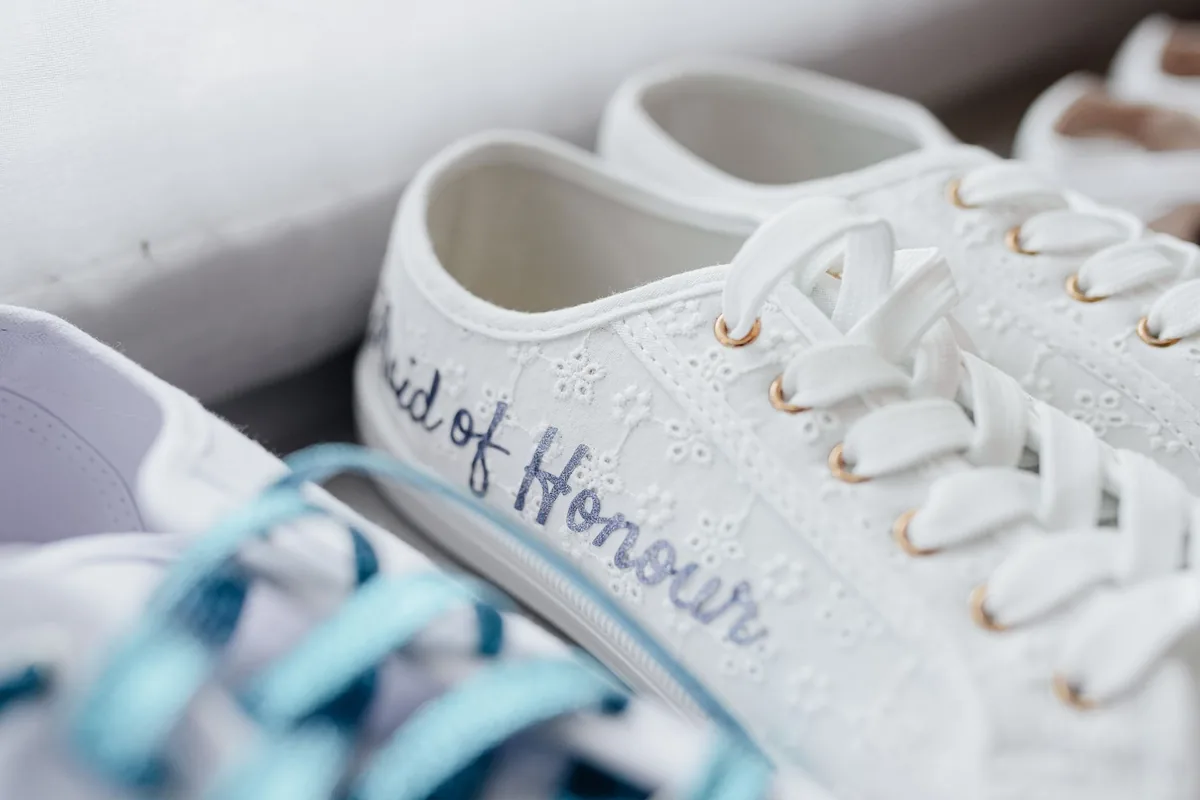
Colour, material and the afternoon fit
Echo the dress: match the shade rather than the exact fabric, and let one accent tie them together. Ivory and white go with cream, blush, champagne or metallic, while coloured dresses take a close shade or a neutral metallic. Satin and silk suit indoor formality but mark in wet grass, whereas leather and suede are more practical, though suede fears rain. Buying white shoes to dye is common but risky, because satin dye is rarely even and hard to undo; if you want colour, buy it outright, and favour reusable gold, nude or cream. Keep the shoes boxed and unworn until the final fitting so you can still exchange them if the fit is wrong.
Feet swell through the day, so shop in the late afternoon and buy the size that fits then, not the smallest that feels tidy in the morning. Half sizes and a slightly wider fit help. If the shoe pinches the toes, go up half a size and add a heel grip rather than forcing the length, and test in the socks or tights you will actually wear.
Rescue kit, something blue and mistakes
Assemble a small kit: blister plasters, gel pads, moleskin, a stain pen, spare heel tips, pain relief, bandages and spare tights, and give it to a helper. Many brides keep the tradition of something blue near the shoes, from a hidden blue sole to a ribbon or a stitched monogram; a coin pinned inside the sole is a private ritual that does not affect the fit.
- Buying shoes the week of the wedding and wearing them brand new.
- Choosing a height you cannot walk in on real floors.
- Shopping in the morning, before feet have swollen.
- Ignoring outdoor surfaces such as grass, sand and polished stone.
- Forgetting the backup shoes and the rescue kit.
- Skipping insoles and heel grips that solve most comfort problems.
- Dyeing satin shoes without testing a hidden patch first.
- Not scuffing the soles, so they slip on marble or tile.
- Assuming ceremony comfort equals reception comfort.
- Leaving the shoes-swap moment unplanned.