Wedding Headpieces and Veils: A Guide
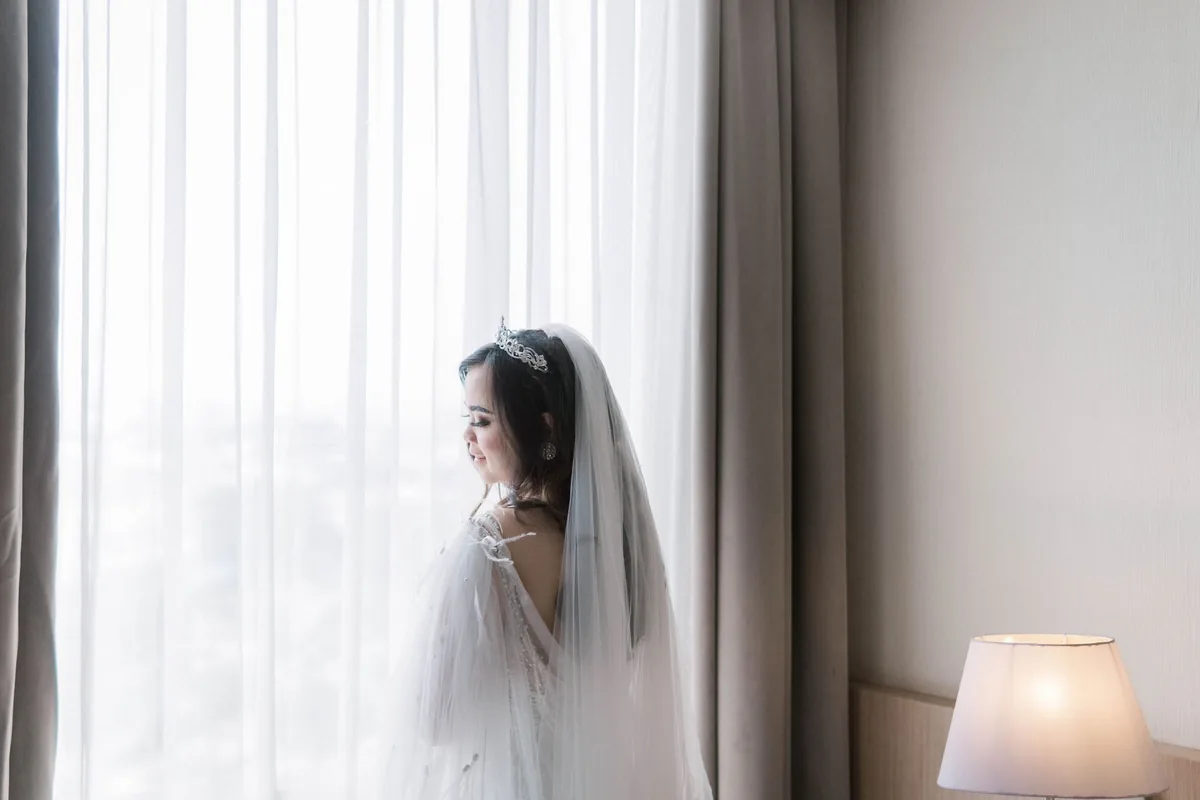
Headpieces and veils are the most photographed accessories of the day and the ones most often chosen last, fitted least and regretted most. The decision follows clear rules: match the veil to the dress and the venue, choose a headpiece that suits your hair rather than the trend, and keep one clear focal point. Get those three right and the rest is detail.
Decide the job the veil should do before you shop: a soft frame for the face, a dramatic cathedral sweep down a long aisle, or a modern birdcage that reads like vintage film. Then wear each option with your actual hairstyle and gown. A veil that photographs well but drags, tugs at the comb or hides the back of your dress is the wrong veil, however pretty it looks on the hanger.
Veil lengths and what each one does
The blusher is the short layer worn over the face, usually forty-five to seventy-five centimetres, lifted by a parent or partner during the ceremony. Keep it light and sheer; a heavy blusher hides your expression in every close-up. The elbow veil, about one metre, ends near the elbow and suits short or simple dresses and outdoor ceremonies without swallowing the silhouette. The fingertip veil, roughly one and a half to two metres, ends where your hands fall at the sides and is the most versatile length of all, flattering A-line and column gowns alike. The waltz or ballet veil, around two metres, brushes the ankles and looks elegant on uncluttered dresses but can tangle around a full skirt. The floor-length veil just touches the ground and pairs well with ball gowns. The cathedral veil, three metres and more, trails far behind and is the classic choice for churches, grand stairs and long aisles; it is also the heaviest and needs a secure comb plus a train that can carry the weight.
- Blusher: over the face, 45-75 cm; keep it sheer and light.
- Elbow: about 1 m; short or simple dresses, outdoor vows.
- Fingertip: about 1.5-2 m; the most versatile length.
- Waltz/ballet: about 2 m; ankle length, clean silhouettes.
- Floor: touches the ground; pairs with ball gowns.
- Cathedral: 3 m and up; churches and long aisles, heaviest.
Match length to the silhouette and the venue, not to preference alone. A ball gown or princess dress carries a long cathedral veil because the skirt supports the volume; a slim column or sheath gown looks best with a sheer fingertip or elbow veil that respects the clean line. A mermaid or trumpet gown, which flares below the knee, suits a long veil that echoes the flare, worn with a short blusher for the ceremony. A cathedral or chapel aisle rewards a long veil and train; a beach, garden or registry office favours short, light options that survive wind, sand and gravel.
Headpieces, combs and hair type
A tiara or small crown is formal and reads best in a ballroom, cathedral or black-tie setting; choose fine metalwork over heavy stones so it does not fight the veil. A headband sits across the crown of the head, works with almost every hair length and is the easiest piece to keep comfortable for hours. A hair comb pushes into a low chignon or half-up style; it is subtle, light and simple to remove after the photographs. A vine or wired hairpiece weaves through braids and loose waves and reads romantic and botanical. Fresh flowers suit spring and summer outdoor weddings but wilt and bruise within hours, so keep the arrangement small and cool. A birdcage or net veil sits on a comb close to the face and gives a vintage, film-noir feel without covering the dress.
Hair type then sets the limits. Fine, slippery hair holds few pins, so a comb or headband with silicone grips stays put where a heavy crown will slide. Thick or coarse hair carries a larger headpiece and a heavier veil but can also hide them, so place a comb low where it shows against the hair. Curly and coily hair needs wide-tooth combs and hairpins rather than a fine wire that snaps; a headband or floral piece usually reads better than a rigid tiara. Because the veil attaches to the hair, decide up or down before you shop. A low chignon anchors a comb best; a half-up style takes a veil and still leaves your face visible; fully loose hair and a long veil fight each other in any breeze, so a short blusher is safer.
The balance rule: one focal point
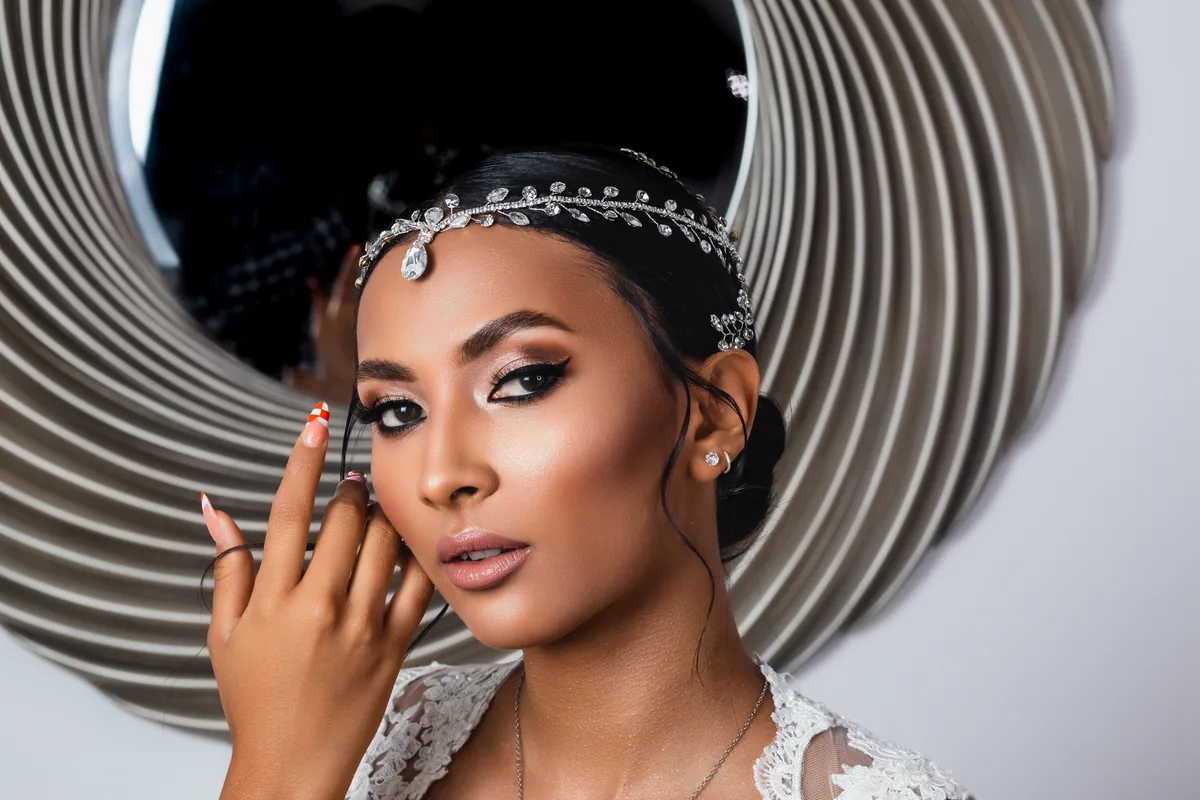
Accessories compete. If the veil is grand, quieten the headpiece; if the headpiece is a jewelled band, keep the veil plain. The same rule governs jewellery: earrings and necklace should form a single strong point, not three. A cathedral veil plus a large crystal tiara plus a beaded gown produces visual noise in every frame. Choose one lead actor, and let hair, dress and accessories each play a supporting role to the face or the gown.
Settle the earrings before the headpiece, because both frame the face. With a high-necked or beaded dress, skip the necklace and let the earrings speak; with a bare neckline, a single pendant or a fine chain balances it. Drop earrings suit an updo, studs or small hoops suit loose hair and a birdcage veil, and if your hair covers your ears, keep earrings small and simple. Gloves, bracelets and hair vines add up quickly, so wear each piece for ten minutes before the wedding to check that nothing snags the veil.
Budget, buying and renting
Veils and headpieces carry a large margin relative to their material, so set a budget and shop, rather than browse. A simple tulle fingertip veil can cost a fraction of a beaded cathedral veil; length, lace trim and beading drive the price. Many bridal shops and rental houses hire veils by the day, which makes a long cathedral veil affordable for a single event. If you buy, plan to resell or pass it on. Order fresh flowers a few days out and keep them cool; faux and preserved stems travel and store better and can be made weeks ahead. Ask for a written price that includes customisation such as comb colour, trim and length.
Wearing and removing the veil
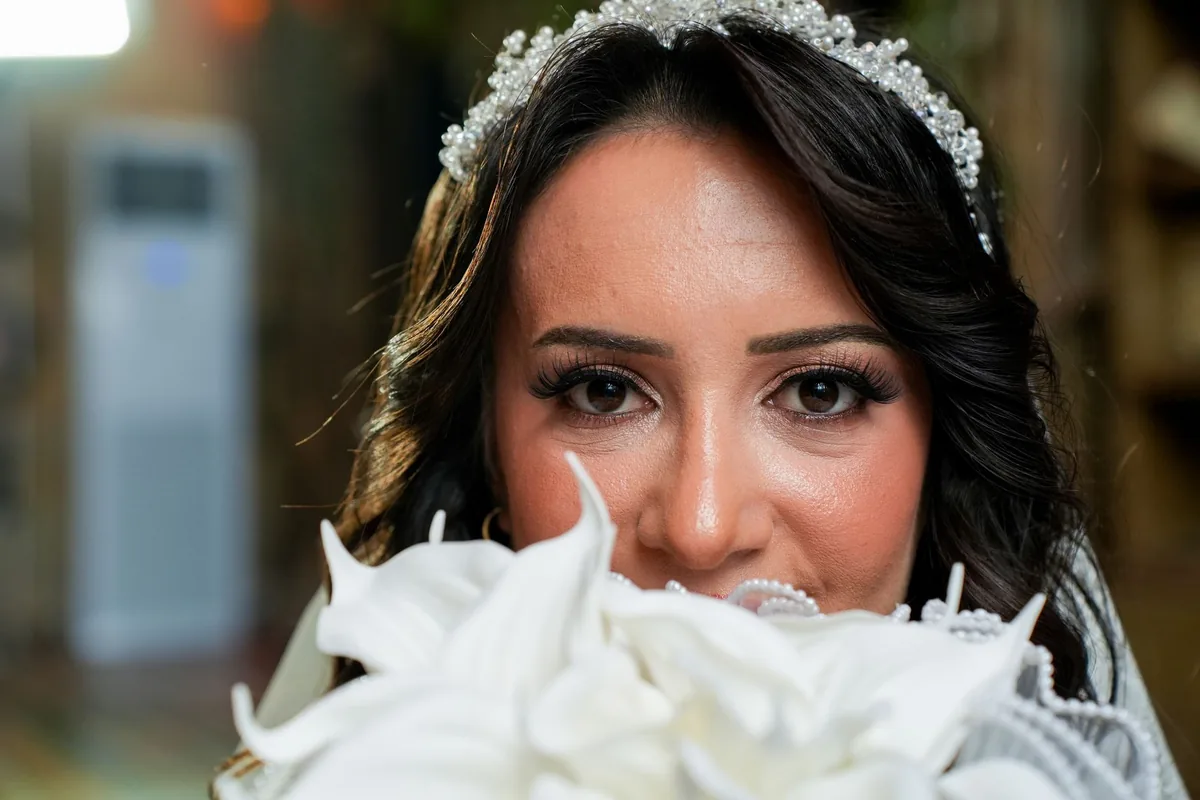
There is a practical rhythm to it. Wear the blusher over the face going down the aisle and lift it when you reach the front. Keep the full veil on through the ceremony and the first photographs, then remove it before the reception or the first dance so it does not wrap around your arm or catch the train. Ask a bridesmaid to hold the veil while you move between locations and to unpin it cleanly. Leave the comb in place at the reception; if you take out the veil, a small pin or a few fresh flowers hides the anchor point. If the veil is heavy, ask the seamstress to add a hidden second comb so the weight is shared.
Common mistakes: a quick checklist
- Buying the veil after the dress without checking length against the train.
- Choosing a heavy blusher that hides your face in close-ups.
- Matching a grand veil with an equally grand, busy headpiece.
- Wearing a necklace, bold earrings and a tiara all at once.
- A rigid comb on fine, slippery hair that slides out.
- Forgetting to test the veil in wind and in daylight.
- Leaving no plan for who lifts the blusher and who holds the veil.
- Renting only after the style has gone out of stock.
- Skipping the hair trial at the final dress fitting.
- Keeping a long veil on for dancing and catching it on everything.