Wedding Bar and Alcohol Planning Guide
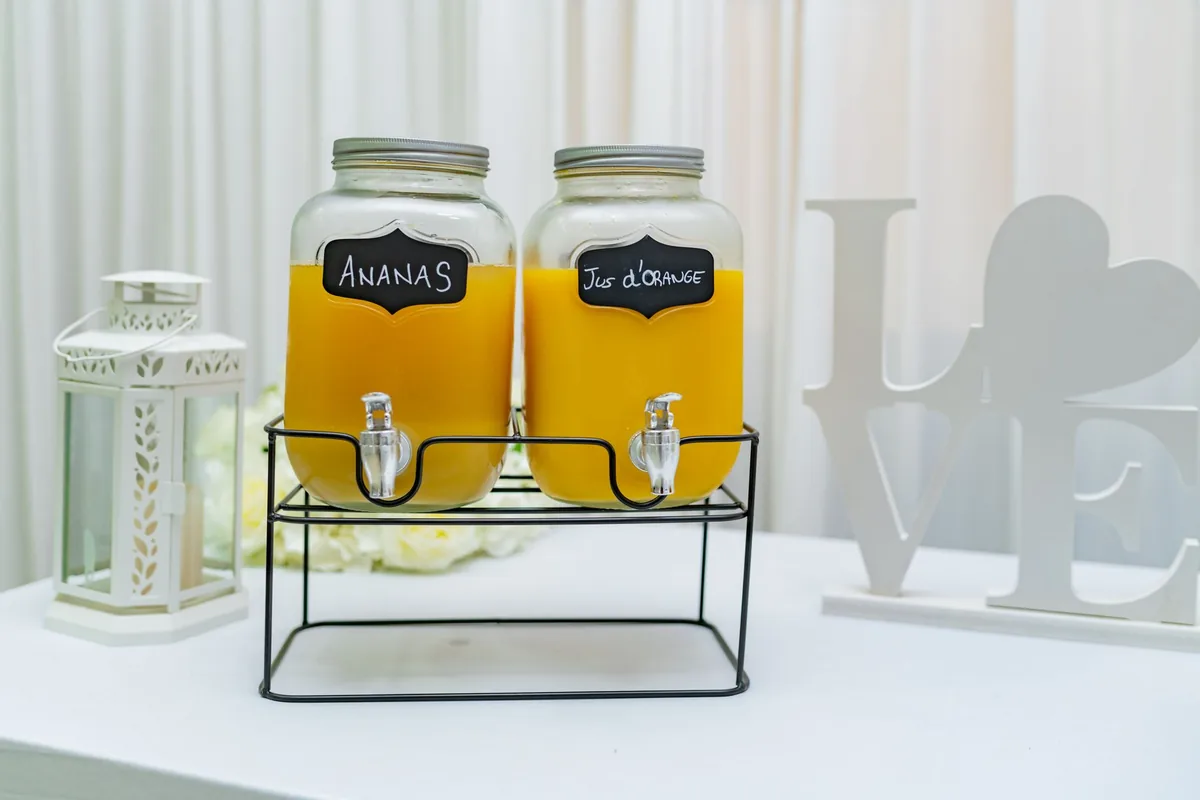
Most wedding bar problems start with one decision made too late: how the bar will be billed. Before you choose a single bottle, settle on the service model with your venue or caterer. That determines budget, staffing, glassware, liability and guest experience. The bar is usually the largest single beverage cost after food, so treating it as a separate line item saves money and stress.
For most weddings, the practical default is a limited open bar: beer, wine, one or two signature drinks, a short cocktail hour, and a four-hour service window. Full open bars with premium spirits feel generous but often produce waste and higher labor costs. A cash or consumption bar should be legal, clearly communicated, and matched to your crowd.
Start With Your Service Model
Open-bar packages are billed per guest for a set number of hours, so you know the ceiling. Consumption bars are billed per drink poured, which can be lower for light-drinking crowds but harder to predict and verify. Cash bars shift cost to guests, which may be acceptable in some regions but can feel unwelcoming at a hosted celebration. A hybrid model, such as hosted beer and wine plus a cash cocktail upgrade, gives control without a blank check. Ask what each model includes: does the per-person rate cover tax, service charge, bartenders, mixers, ice, glassware and bar setup?
- Open bar: predictable, common at full-service venues, but you pay for drinkers and non-drinkers alike.
- Consumption: pay for what is poured; ask how drinks are tracked and whether unopened bottles are credited.
- Cash bar: lower host cost, but pair it with free water, soft drinks and clear signage.
Estimate Portions Before You Book
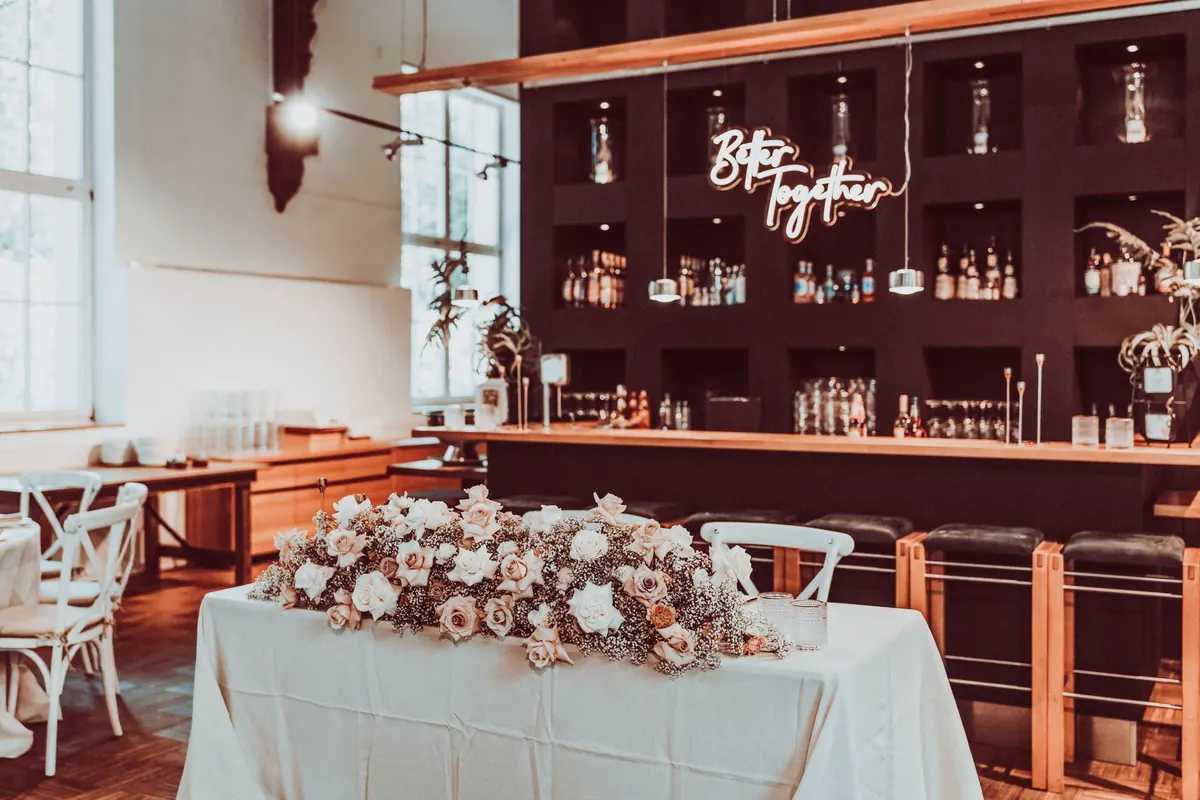
A reliable starting point for an evening wedding is one drink per guest for the first hour plus one per guest for each additional hour. A four-hour reception often lands around five drinks per adult, but adjust for the crowd: a daytime brunch wedding may need half that, a late-night dancing crowd may run higher. Use your RSVP list, subtract underage guests and known non-drinkers after the base count, and confirm venue corkage before ordering.
- Provide one bartender per 50 to 75 guests; fewer causes long lines.
- Split non-alcoholic drinks at one per guest per hour; water, soda and sparkling options run out faster than you think.
- Order wine by bottle and beer by case after the menu is set; mixed cases often outperform single-bottle variety.
- Plan for 20 percent more mixers, ice and glassware to cover spills, refills and garnish prep.
Build a Menu That Prevents Overbuying
Choose a narrow menu and buy depth rather than breadth. A common structure is one light beer, one fuller beer, one white wine, one red wine, one sparkling wine, and one or two signature cocktails. Add non-alcoholic beer or a spirit-free option if the guest list includes many non-drinkers, but do not try to stock every spirit category. A short menu makes taste predictable, reduces open bottles after the event, and helps bartenders serve faster.
When choosing brands, ask for the venue's house pour or mid-tier labels rather than premium names. In blind tasting, most guests cannot identify a top-shelf vodka in a mixed drink. Spend where flavor is exposed: a better red wine or a distinctive signature cocktail, not premium vodka in a heavily mixed punch. Ask to taste the house options before signing the bar package.
- Pick one light beer and one amber or IPA-style beer; buy at least 60 percent light because it moves fastest.
- Choose one white and one red wine; weight white heavier for fish or poultry, red heavier for red meat.
- Pour sparkling toasts as half-glass pours; most guests sip and set down a full glass.
- Limit signature cocktails to two, sharing base spirits or mixers to cut bottle count and speed service.
- Include one zero-proof serve that looks intentional, such as a citrus spritz, so non-drinkers are not stuck with tap water.
Service, Staffing and Liquor Law Basics
Do not treat alcohol as a DIY detail unless your venue's contract and local law explicitly allow self-service. Many venues require a licensed bartender and proof of event liability coverage that includes alcohol service. Self-serve stations may be allowed for beer and wine in private homes or some barn venues, but the host can still be liable if a guest is over-served and harms someone. Clarify who holds the license, who cuts off intoxicated guests, and what happens if underage guests are served.
Ask about corkage if you bring your own alcohol. The fee is often per bottle opened, including toast bottles, and may not include mixers, ice or glassware. Some venues offer credit on unopened cases, but confirm before ordering. Also confirm last call 30 minutes before the end time to avoid a rushed exit.
- Put one bartender per bar station plus a bar-back for ice and glassware during peak periods.
- Have a visible ID check if the group includes young adults; do not leave age checks to memory.
- Serve water before guests ask; place water stations near the bar and dance path to slow alcohol intake.
- Confirm who pays for broken glassware, extra ice and overtime if the bar runs longer than planned.
Control Cost Without Guests Noticing
The easiest cost lever is time. A four-hour bar instead of five saves roughly one round per guest and reduces overtime. Close the bar during dinner and serve table wine only, then reopen with a short last call. Serve table wine in carafes rather than individual bar glasses to shorten lines. Use smaller glassware; most guests do not notice a 10- to 12-ounce pour if the glass is filled to the usual line.
- Skip the champagne toast if the bar already offers sparkling wine; guests can toast with whatever they hold.
- Choose beer and wine only plus two signature cocktails instead of a full premium open bar.
- Buy on sale-or-return only if the venue confirms in writing; otherwise order conservative amounts.
- Ask for a package that excludes top-shelf spirits by default; upgrading one drink is cheaper than upgrading the bar.
Common Mistakes and Final Checklist
Most missteps come from optimistic guesses, not bad taste. Use a written bar plan with the venue, confirm it two weeks out, and do a final headcount three days before the wedding. Below is a checklist to review before you sign and again before final payment.
- Hire enough bartenders for one per 50 to 75 guests, not one per 100 or more.
- Get the bar package details in writing: hours, tax, service charge, glassware, ice, mixers, cleanup and overtime.
- Ask whether unopened bottles are credited, returned or lost; this changes how much you buy.
- Set a hard last call 30 minutes before the venue end time and communicate it with the DJ or band.
- Do not use the same count for alcohol as for dinner adult meals; subtract non-drinkers and adjust for drinking style.
- Put water and non-alcoholic options at the same speed of access as alcohol, especially outdoors or in heat.
- If you bring your own alcohol, assign a point person who is not in the wedding party to receive deliveries, check counts and transport leftovers.
- Never self-serve without checking local law, venue contract and liability coverage; the savings is rarely worth the risk.