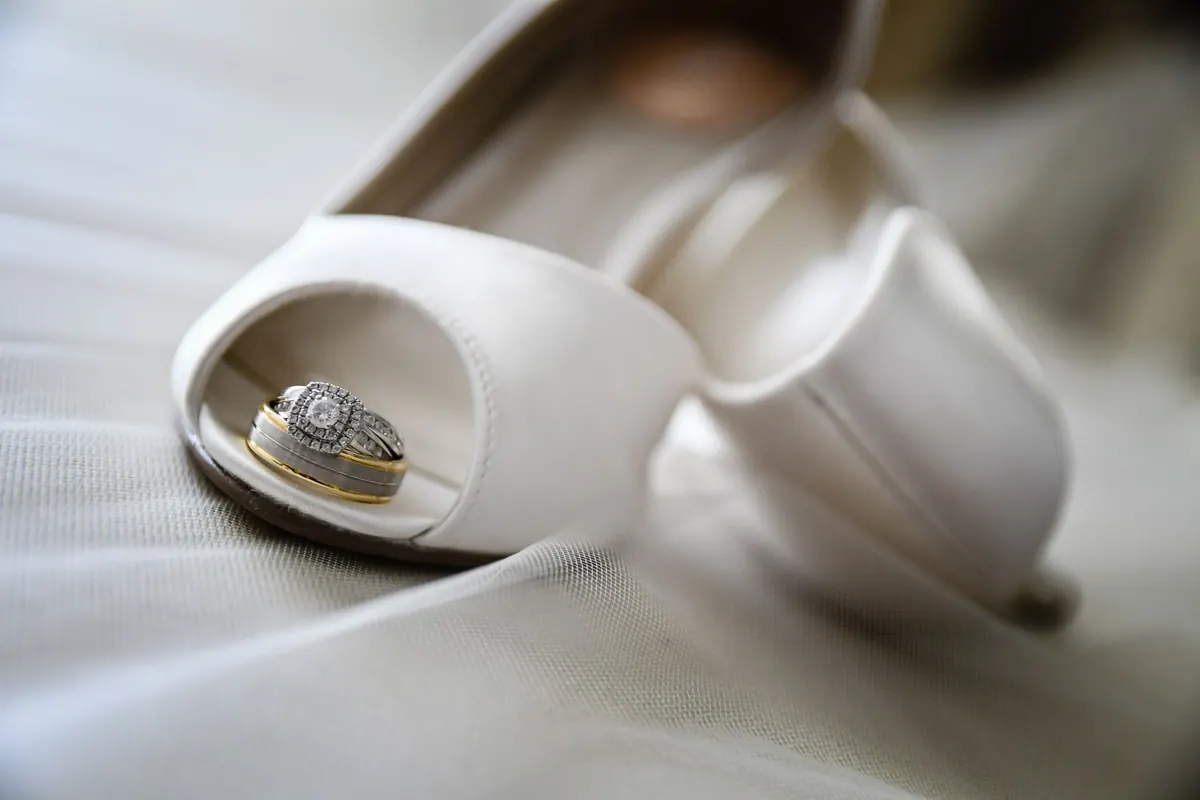
Late Bloomers
Anna joined the community garden the spring after her divorce, mostly to have somewhere to be on Saturdays. She planted too many tomatoes and refused help carrying anything, which the other gardeners quickly learned to respect.
Peter had kept the plot next to hers for six years, quietly, growing nothing much and fixing everyone else's broken tools. He was fifty-one, widowed, and had developed a talent for being helpful without being noticed.
The hose between their plots was too short, so they had to pass it back and forth, which forced a conversation. At first it was only about the weather and the water pressure. Then it was about their children. Then, slowly, about themselves.
Neither of them wanted to fall in love again, which turned out to be exactly the right starting point. There were no games, no performance, no pretending to be twenty-six. There was just a lot of sitting on a wooden bench at dusk, sharing cut fruit, saying very little.
It was Peter who finally said it, in the least romantic setting imaginable — knee-deep in mud, holding a leaking watering can. 'I am not asking you to start over,' he said. 'I am asking if you want to finish the day with me. And then the next one.'
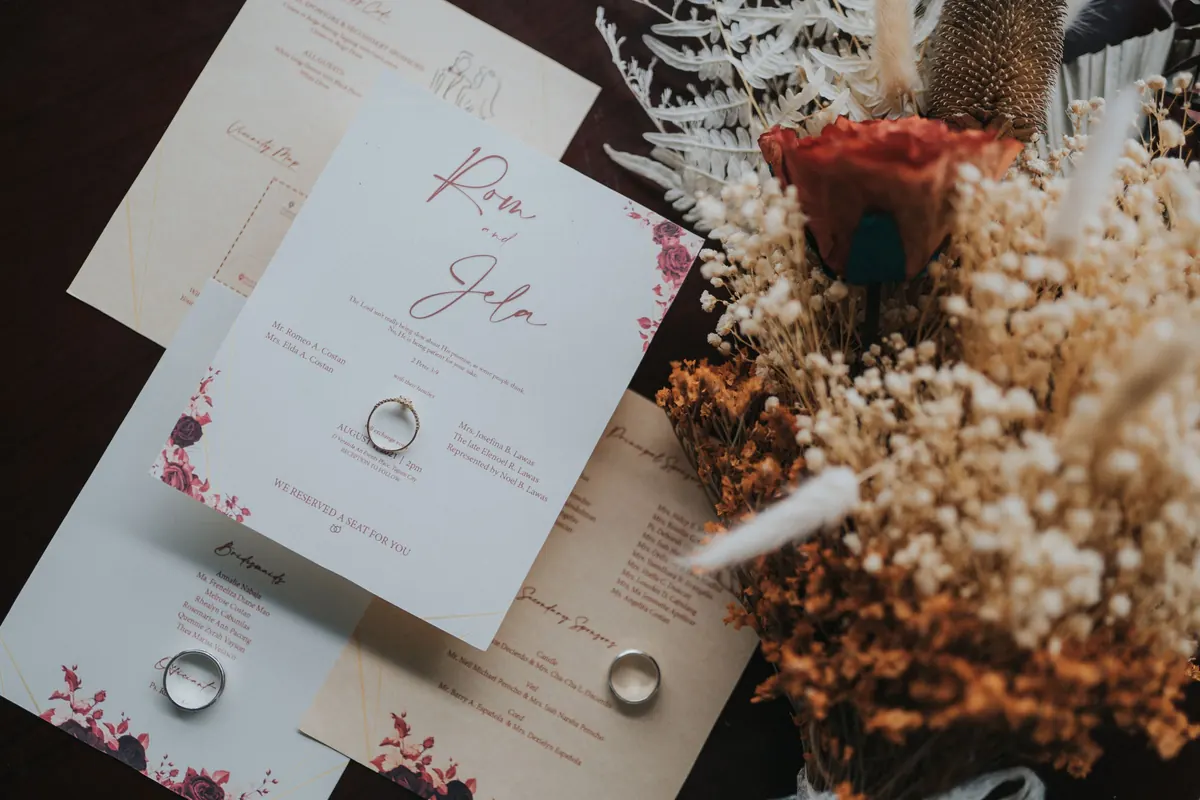
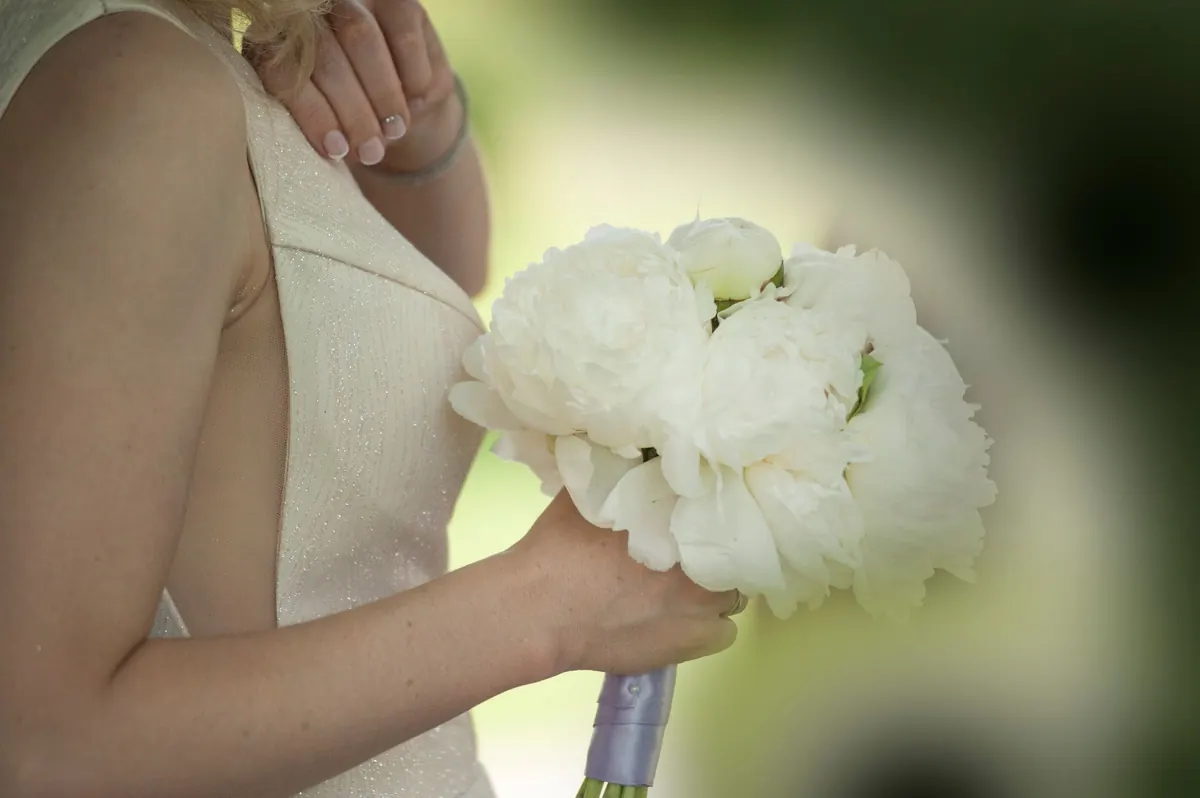
They married in the garden that autumn, among Anna's absurd tomatoes. There were thirty guests and more food than anyone could eat. On the invitation, under the date, was a single line: Some things bloom late, and that is not the same as too late.