The Thermos and the Map
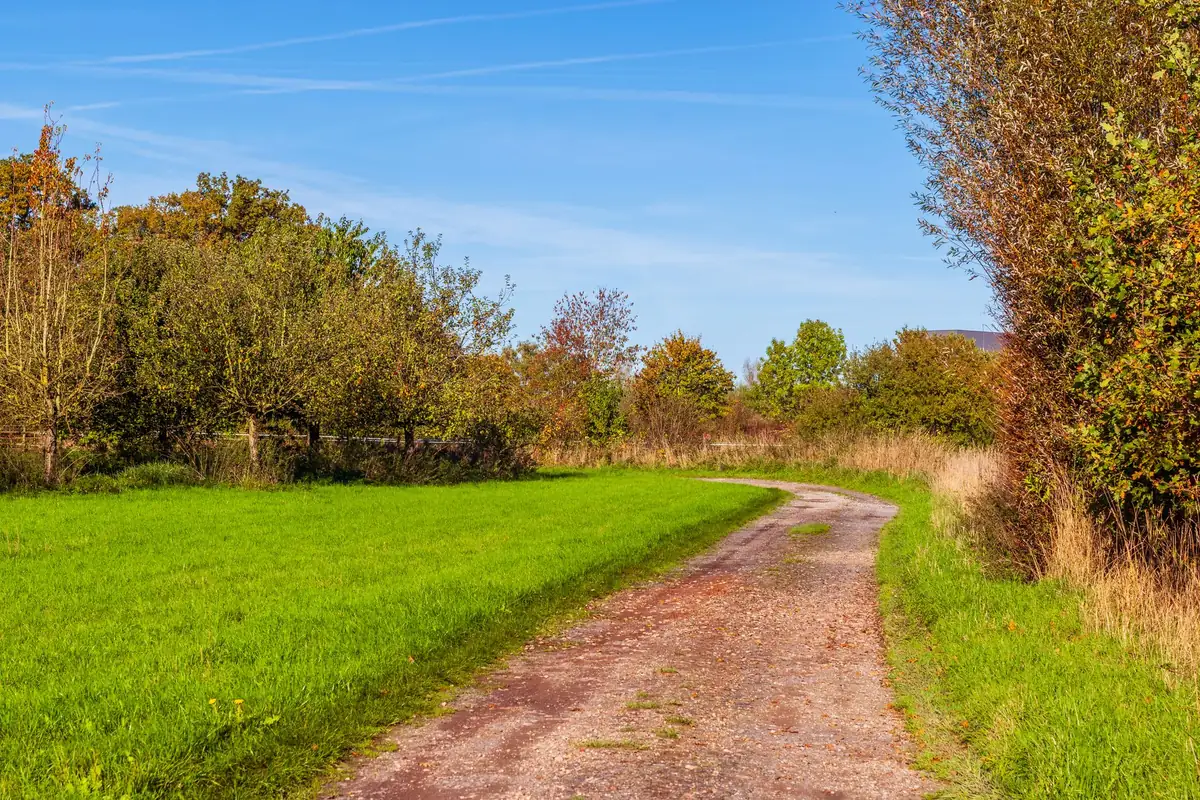
The van belonged to Dana's uncle, and it smelled like cedar shavings and old cigarettes no matter how many times they aired it out. It had a bench seat up front, wide enough that Priya could sit with her knees up and the map spread across her lap, and a radio that only picked up the country station out of Truro. They borrowed it for one weekend in October to drive the Cabot Trail, and then they kept borrowing it, month after month, until the uncle stopped asking when they'd bring it back.
Priya was the navigator by unspoken agreement. She liked the paper maps, the folding and refolding, the way a road could look like a thread on one page and a river on the next. Owen drove with both hands and a kind of patient dread, as though the van might at any moment remember its age. Between them, wedged in the crack of the bench seat, rode a steel thermos with a dent in the side from a dropped tailgate years before either of them was born.
The thermos was Owen's. He filled it every Friday night with coffee so strong it made Priya's eyes water, and she drank it anyway because the alternative was stopping, and stopping meant losing the light. They had a rule, never written down: they left before dawn and they did not turn back. The first time, they drove four hours to see the leaves and got fog instead, a grey wool pulled over everything past the windshield.
"We could go home," Owen said, at a lookout where the sign promised a view of the gulf and delivered nothing but white. Priya poured coffee into the thermos cup and handed it to him. "We could," she said. They sat there for an hour, listening to the radio and the wind, and then they drove on because the road went on, and that was the whole point of the road.
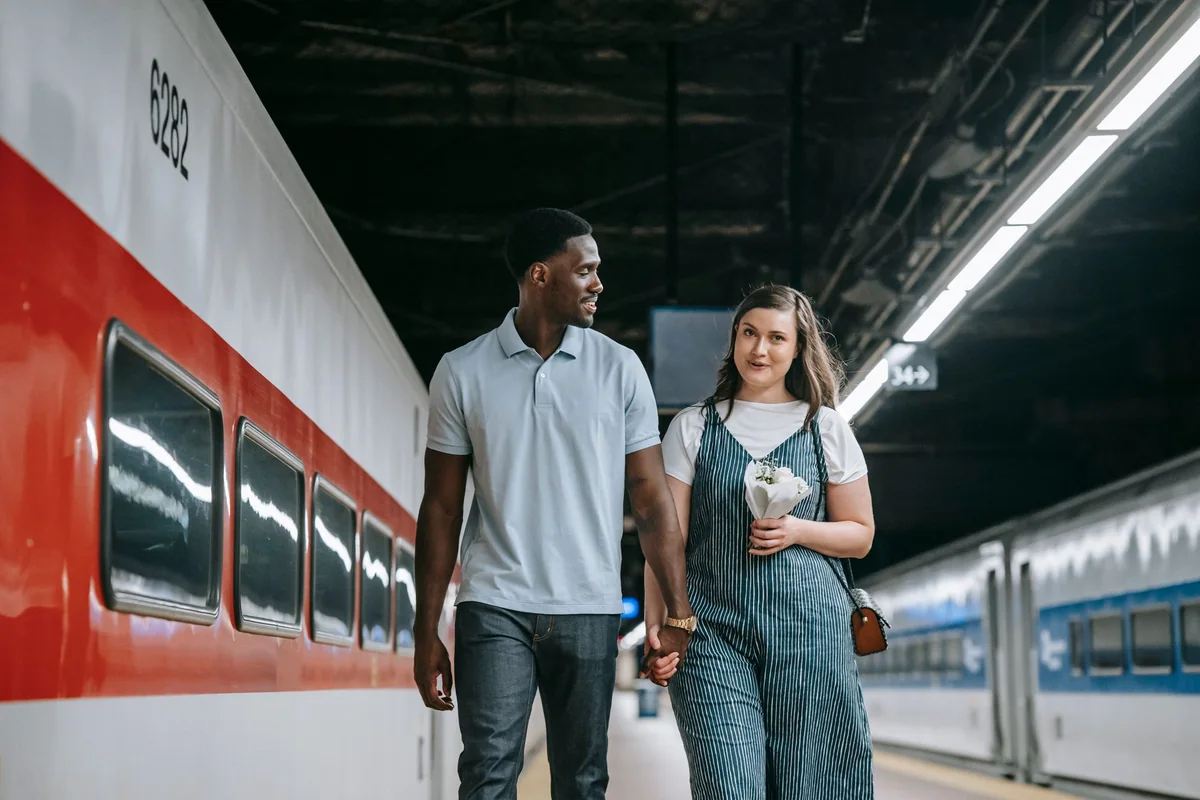
They were not, at that time, anything official. They had met at a hardware store in Halifax, both of them reaching for the same box of wood screws, and had ended up sharing a cart and then a coffee and then, gradually, most of their weekends. Priya was a cartographer for the provincial government, which meant she spent her weeks drawing coastlines at a scale no one would ever walk. Owen repaired instruments for a music school, clarinets and cellos and one stubborn harpsichord, and he came home smelling faintly of rosin and brass polish.
The van trips became the shape of their years. In November they drove to the Annapolis Valley and bought apples from a stand run by a woman who insisted they try every variety before choosing. In February they drove to a beach on the South Shore and stood in their coats watching the surf turn the colour of wet slate, and Priya took off her mittens to write their initials in the sand, which the tide erased within minutes. Owen said nothing about it. He just watched the water come up.
In April, the van broke down outside Antigonish. They sat on the tailgate for two hours waiting for a tow, and Priya read him the map out loud like a novel, the elevations and the little blue marsh symbols. "Here's a lake with no name," she said. "Here's a road that just stops." Owen leaned back on his elbows and closed his eyes. "Read me the one that stops," he said. She did, twice.
It was on that tailgate, with the thermos between them and the tow truck still an hour out, that Priya first thought about marrying him. Not as a decision, exactly. More like a landmark she had driven past and would have to come back to. She did not say anything. She handed him the thermos and he drank and passed it back, and the sun went down behind the church steeple in the town they could not see.
The proposal, when it came the following October, was not on a trip at all. They were at the kitchen table in Halifax, and Owen was restringing a violin while Priya corrected a map of the Eastern Shore that had a creek in the wrong place. He put down the violin. He said he had been thinking about the thermos, and how it had been in his family for three generations without anyone ever deciding to keep it, and how that was a strange way to end up with something you loved.
"I don't have a ring," he said. "I have the thermos." Priya looked at it on the counter, dented and dull, with its chipped enamel lid. She said she thought the thermos was a good start. He said he'd get a ring too, eventually. She said there was no rush, and then she got up and poured them both the last of the coffee, which by then was cold.
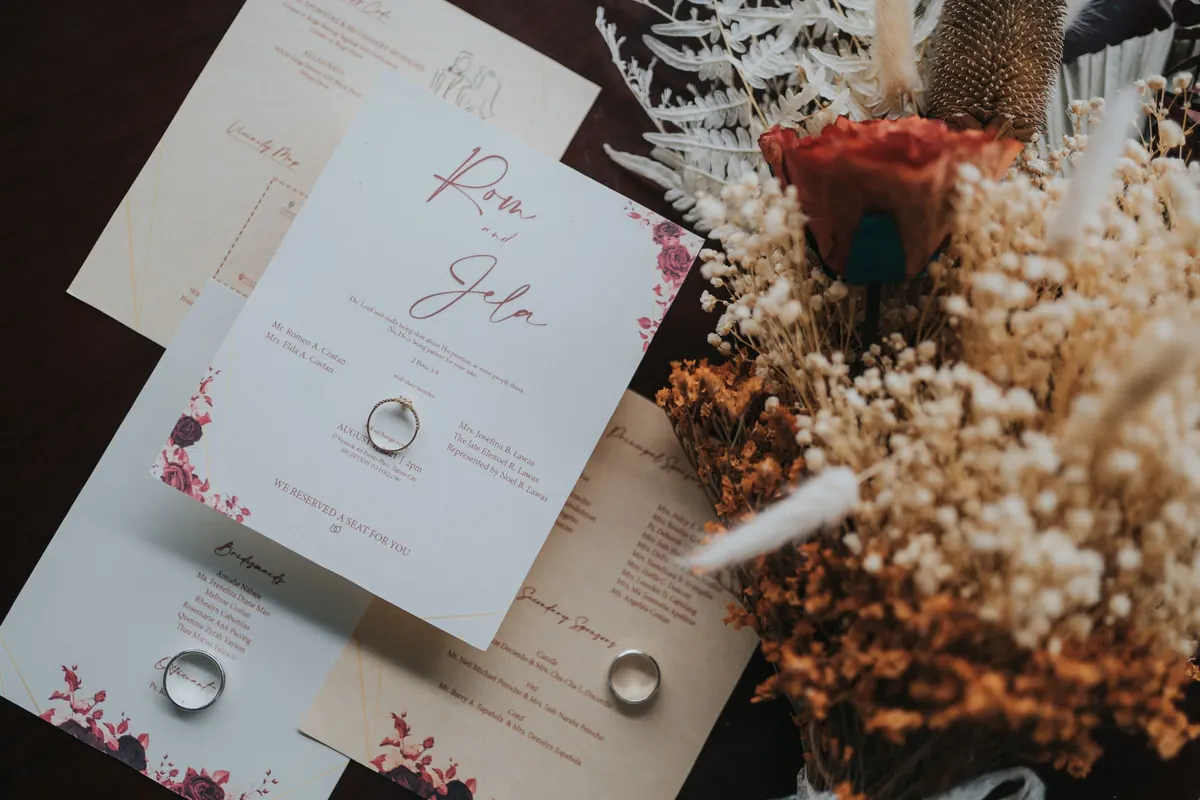
They told people the story and watched it land differently each time. Her mother wanted to know about the ring. His brother asked if the van had been at the wedding, and it had not, because the van by then had failed its inspection and was parked behind the uncle's barn with a tarp over it. But the thermos was there, on the table with the place cards, and the caterer filled it with coffee at ten o'clock when the dancing started and people needed something to hold.
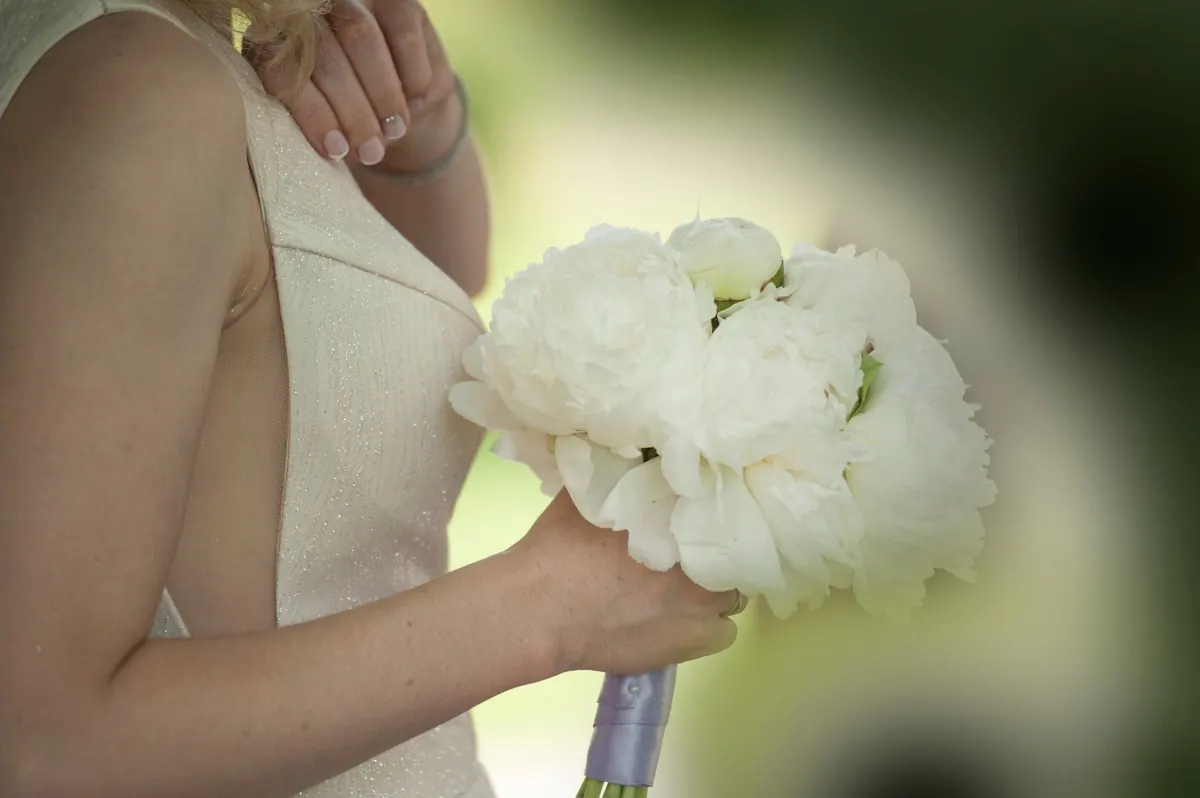
They married in June in a hall in Musquodoboit Harbour with the windows open because the building had no air conditioning. It rained for twenty minutes in the middle of the ceremony and nobody minded; the sound on the roof made everyone speak a little louder, and the vows came out like something shouted across a field. Priya's dress was borrowed. Owen's shoes were new and hurt him by the end of the night, and he took them off and walked the last of the guests to their cars in his socks.
The map from their first trip is framed now and hangs in the hallway of their apartment, above the hook where the thermos lives. It has a coffee ring on the corner and a crease through the middle where Priya folded it wrong one time and never quite got it flat again. Guests ask about it. Owen tells them it's a map of the Cabot Trail. Priya tells them it's a map of a road that stops, and then goes on anyway.
They still take trips, though the van is gone and the new car is unremarkable and quiet. Priya navigates on her phone now, which she resents. Owen still fills the thermos on Friday nights. It holds less than it used to, on account of the dent, and they have to stop once more than before, and they have decided this is fine.
Last month they drove out past Truro with no destination, just to see what the leaves were doing. The country station was still there. They drank the coffee and Priya read him the elevations off her phone and Owen kept both hands on the wheel, and the thermos rode between them in the cupholder, dented side out, the way it always had.