The Orchard's Second Spring
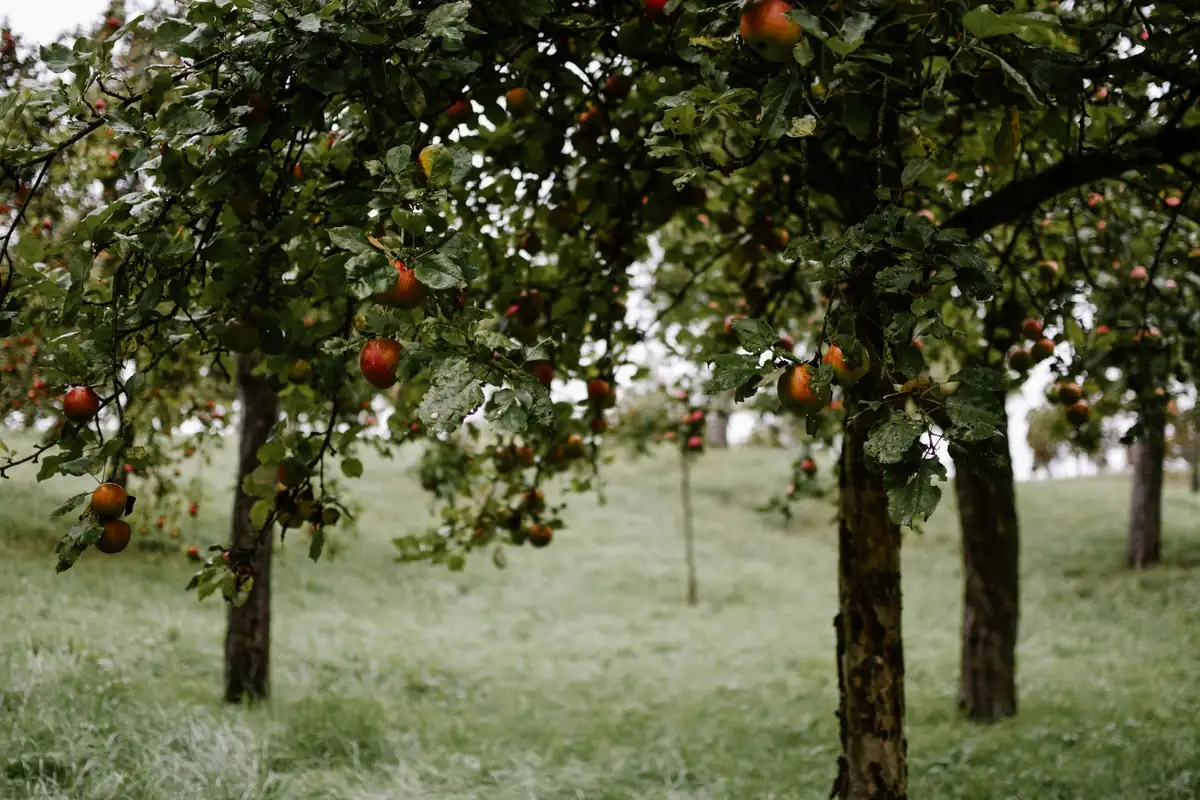
The orchard had been in Ruth's family for three generations, but by the time she inherited it, most of the trees were past bearing. She kept the old Bramley at the bottom of the slope because her grandfather had grafted it himself, and because she couldn't stand the thought of the place going quiet. Daniel came to prune it in February, a wiry man in his fifties with a canvas bag of saws and a habit of talking to the branches as if they were colleagues.
Ruth watched him from the kitchen window for a week before she went out. He was methodical, almost slow, and he left the clippings in neat piles that looked like small nests. When she finally brought him a mug of tea, he took it with both hands and said, 'This one's tired, but it's not finished.' She wasn't sure if he meant the tree or the orchard or her, and she didn't ask.
They fell into a routine. Daniel arrived on Tuesdays and Fridays, and Ruth started leaving the gate unlatched. She learned that he had worked on a fruit farm in Kent for thirty years, that his wife had died four winters ago, and that he listened to the shipping forecast every morning even though he lived forty miles inland. She told him about her father's illness, the debts, the way she had nearly sold the land to a developer who wanted to put up eight houses with names like 'Orchard View'.
In March, a late frost was forecast. Ruth stayed up half the night, draping fleece over the new buds on the few trees that still fruited. Daniel turned up at six the next morning with a van full of tarpaulins and a thermos of coffee. They worked side by side in the dark, their breath clouding, and when the sun came up the frost had settled on the tarps like a dusting of sugar. 'We might have saved a third of them,' he said. 'That's better than nothing.'
The frost did take its toll. By April, some of the branches were black and brittle, and Ruth stood in the middle of the orchard feeling the familiar weight of failure. Daniel found her there and didn't say anything for a while. Then he pointed to a small green shoot pushing out of the old Bramley's trunk, low down, almost hidden. 'That's a watersprout,' he said. 'It'll grow fast. In three years you could graft from it.' She laughed, a bit shakily, and said she didn't know how to graft. 'I can show you,' he said.
The grafting lessons took place on Sunday afternoons. Daniel brought a knife with a bone handle and a roll of grafting tape, and Ruth brought a notebook and a flask of tea. He showed her how to make a clean cut, how to line up the cambium layers, how to bind the join tight. Her first attempts were clumsy, and she cut her thumb twice. He didn't fuss. He just handed her a plaster and said, 'You'll get it. It's mostly patience.'
By May, the blossom was out on the trees they had saved. Ruth had never noticed how loud the orchard was in spring—the hum of bees, the clatter of wood pigeons, the creak of the old gate. Daniel started staying for lunch. He brought cheese sandwiches and she made soup, and they ate at the kitchen table with the door open. One afternoon, he asked if she had ever thought about selling. She said yes, every winter. He nodded and said, 'I'd miss it.' She didn't ask what he meant.
The apples came in September, a small crop but a good one. Ruth borrowed a press from a neighbour and made juice, and Daniel helped her bottle it. They worked in the barn until the light went, and when they finished, he kissed her by the stack of empty crates. It was brief and a bit awkward, and then he said, 'I've been wanting to do that since the frost.' She said, 'You could have done it sooner.'
They didn't tell anyone for a while. It felt too new, and Ruth was wary of the way people in the village would talk. But Daniel started leaving his boots by her door, and she started buying two loaves instead of one. In November, he brought her a cutting from a tree he'd grown from a pip as a boy—a Cox's Orange Pippin, he said, though he couldn't prove it. They planted it together at the top of the slope, where the soil was best.
The following spring, the grafted branches on the old Bramley took. Ruth checked them every morning, and Daniel pretended not to be as anxious as she was. When the first leaves unfurled, he said, 'There you go. Second spring.' She thought about the word 'second' for a long time after that. It had never sounded like much before.
The proposal wasn't a proposal, exactly. They were sitting on the tailgate of Daniel's van in the yard, eating fish and chips out of the paper, and he said, 'We should do this properly.' She asked what he meant. He gestured at the orchard, the house, the two of them. 'All of it,' he said. 'Make it official.' She said yes before he had finished the sentence, and then they both laughed because it was so unromantic and so entirely right.
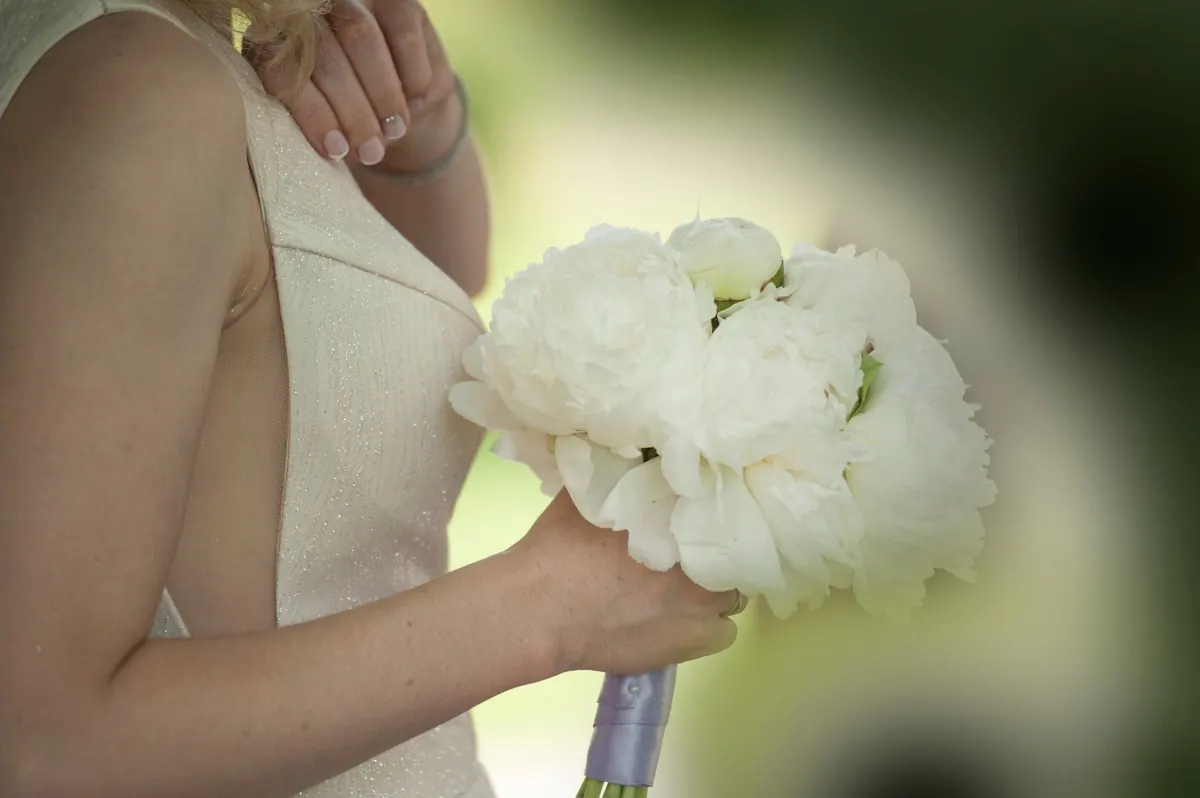
The wedding was in the orchard in late September, when the apples were ripe. They didn't want a marquee or a band. Ruth's cousin made a cake with apple butter in the frosting, and a neighbour brought a trestle table from the village hall. Daniel wore a suit he'd bought in 1998 and Ruth wore a dress the colour of the sky just before rain. They stood under the old Bramley, which was heavy with fruit for the first time in years.
The vicar, who had known Ruth since she was a child, kept it short. He talked about seasons and patience and the stubbornness of good things. Ruth's godmother read a poem by Wendell Berry, and Daniel's daughter, who had come from Bristol with her two boys, cried a little and pretended she hadn't. The boys ran between the trees, and nobody told them off. It was that kind of day.
Afterwards, they served cider from the previous year's crop and sandwiches on the trestle table. People sat on straw bales and ate and talked. Ruth's neighbour, who had been sceptical about the whole thing, said it was the best wedding she'd been to in years, and she meant it. The light went gold, and the orchard was full of voices. Daniel found Ruth by the new Cox's tree and put his arm around her. 'It's a good start,' he said.
They didn't go away. They had talked about a honeymoon in Norfolk, but the apples needed picking and Daniel said he'd rather do it together. So they spent the week after the wedding in the orchard, filling crates and barrowing them to the barn. It was hard work, and Ruth's back ached, and she was happier than she had been in years. On the last evening, they sat on the tailgate again, drinking tea from the thermos, and watched the light fade.
The orchard still isn't profitable. Ruth still worries about the roof and the boiler and whether they'll have a good crop next year. But the old Bramley has new branches, and the Cox's tree has taken, and there is a second toothbrush in the jar by the sink. Daniel still listens to the shipping forecast, and Ruth still leaves the gate unlatched. On Tuesdays and Fridays, they work together, and on Sundays they sit at the kitchen table with the door open, and that is mostly what they wanted.