A. Wolfe & Son, Est. 1979
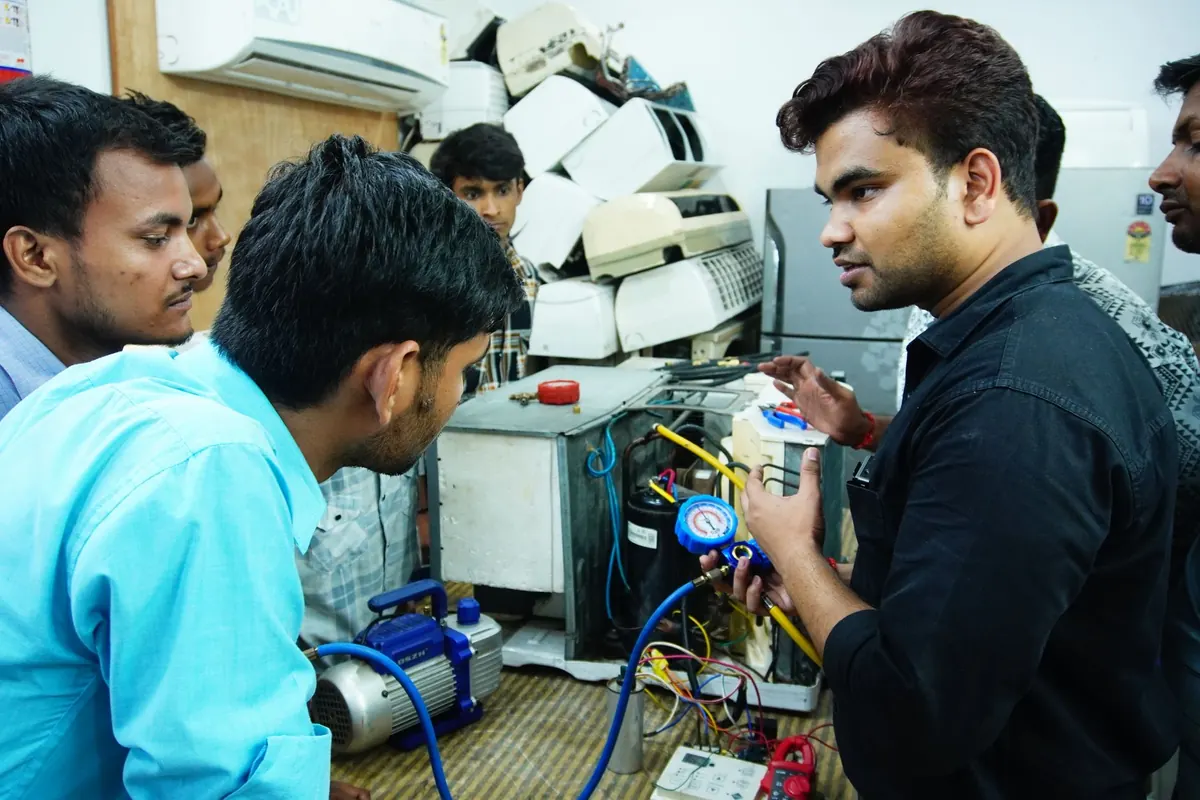
The repair café at St Wilfrid's in Heeley runs on the first Saturday of the month, ten till one, in a hall that smells of floor polish and hot dust. Nell arrived at ten past with her gran's Bernina in a wheeled shopping bag and rain coming off the roof in one steady line. The clipboard rota said sewing was full. A man in a fleece pointed her towards the electrical bench, where the queue was shorter and the toasters were winning.
Someone had drawn a banner in felt tip: REPAIR, DON'T REPLACE. There was an urn, a plate of samosas from the shop on Chesterfield Road, and a tin of assorted biscuits with the good ones already gone. Nell set the machine on the trestle table and said, mostly to herself, that sewing wasn't electrical, actually. The man across from her said he knew, and that he'd have a look anyway.
His name was Ade. He had a head torch pushed up on his forehead and a roll of tools that unrolled like a piano keyboard. For twenty minutes he did nothing but turn the handwheel and listen to it, then he took the bobbin case out and held it up to the window. 'Your gran,' he said, 'never cleaned this. That's not a criticism. Mine didn't either.'
He put a drop of oil from a tin no bigger than a thimble into the race and worked the wheel until the stiffness went out of it. Nell watched his hands, which were careful in a way she hadn't expected from a man who spent his week with keys. 'It's not fixed,' he said. 'It's just happier.' She asked how much. He said the café didn't take money, only cake, and there wasn't any cake.
They had tea instead, from the urn, in two mugs that didn't match. He told her he was a locksmith, that the shop in Attercliffe had been his dad's and was now, on paper, half his. She told him she painted signs — shopfronts, van doors, the occasional pub — and that her unit was on the third floor of a former cutlery works where the heating came on at unpredictable hours. 'So you do lettering,' he said. 'I do lettering,' she said.
After that she found things to bring. A kettle with a loose connection. A bicycle bell. A lamp she'd bought at a car boot and never liked. Each time he took the item, looked at it, and gave her a verdict more honest than the item deserved. Each time they had tea, and each time the tea got slightly longer.
In November he asked if she wanted to get chips. They ate them out of paper on a bench in Meersbrook Park with the lights coming on across the valley and a dog trying to get at the vinegar. He told her about the alley gate behind the shop, how the neighbours had lost the key and how he'd cut sixteen new ones and handed them out on a Sunday morning like a man doing something illegal.
Her unit was up a staircase that smelled of swarf and old tea. He came one evening with a key he'd cut for her door because the landlord's one stuck. She hadn't asked. She was annoyed for about four seconds and then she wasn't, which she thought later was probably the whole thing in miniature.
His van needed a sign. The old one had been done in vinyl by a firm in Rotherham and was peeling at the A. Nell measured it twice and painted it over two cold evenings with a brush small enough for a doll's house: A. WOLFE & SON, LOCKSMITH, EST. 1979. 'There's no son,' he said, when he saw it. 'There's me and there's my dad, and my dad's hands shake too much to hold a chisel now.' She offered to paint it out. He said leave it.
His dad still came in three mornings a week and swept the floor, which didn't need sweeping. He called Nell 'the signwriter' for eight months. Then one day he called her Nell, and Ade looked up from the key machine as if something had been signed in a notary's office.
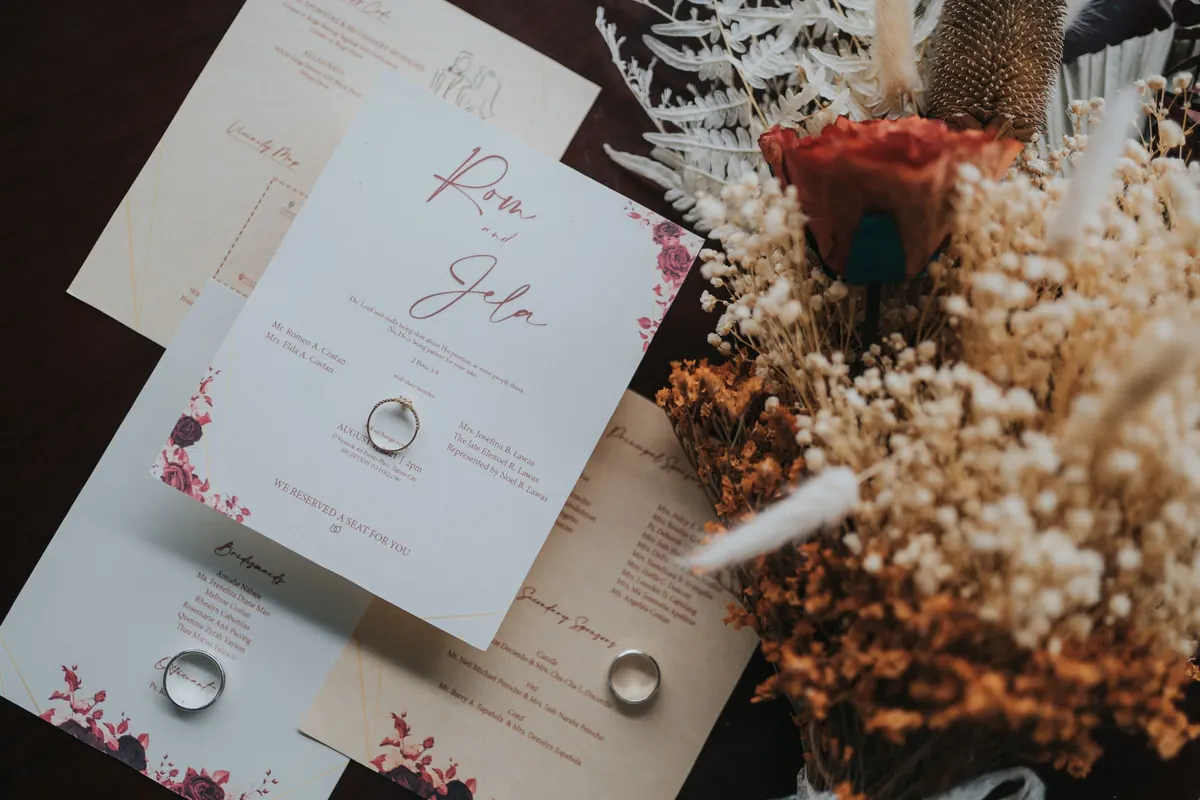
They decided to get married on a Tuesday in February, in the shop, with the key machine humming because Ade had forgotten to switch it off. Nell said she wasn't doing a marquee, and he said he wasn't doing a speech, and they shook on it the way his dad shook on jobs. Her mother took it badly for about a fortnight and then took it over, which was the same thing but with a spreadsheet.
The Bernina had come to Nell with a box of feet, a darning plate and a note in biro that said tension 4 unless it's being difficult. She sewed forty metres of bunting out of old shirts and a curtain her mother hated. It took four evenings. The machine didn't miss a stitch.
The register office on Surrey Street gave them a Wednesday at twenty past eleven, which meant being there by ten to, and the woman at the desk had to check twice that they'd brought the right documents. There were two witnesses: his dad, in a coat he'd had since 1994, and Nell's friend Sana, who cried in the corridor and denied it afterwards. The room had a plastic ficus and a window that wouldn't open.
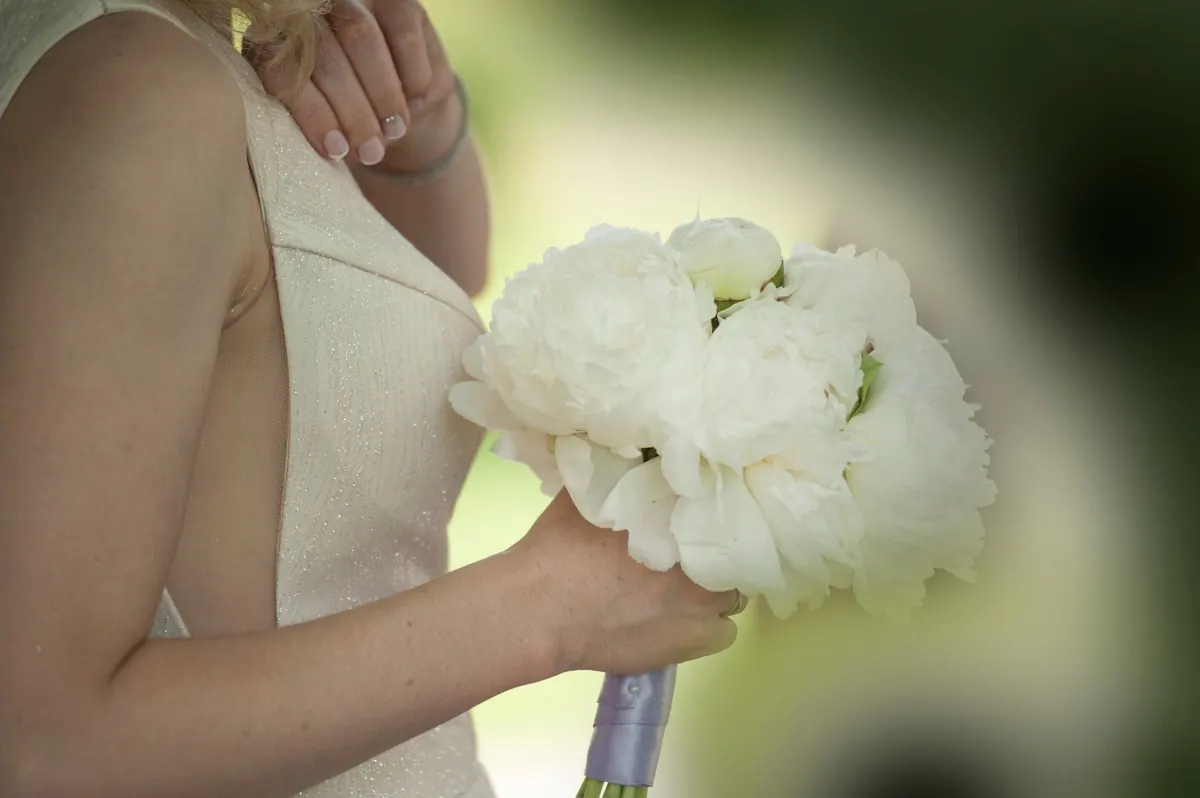
They'd written nothing down. The registrar said the words and they said them back, and Nell noticed that Ade said his in the flat voice he used when he was concentrating, and that his dad was looking at the carpet. Afterwards, outside, it started to rain and nobody minded, and Sana took eleven photographs of which three were usable.
Lunch was in the back room of the pub on Kelham Island: twenty-two people, pie and peas, a stack of paper plates. The neighbours from the alley hung the bunting across the yard because the wall was damp and nothing would stick to it. Ade's dad stood up and said about nine words, one of which was 'locksmith', and sat down again, and the room applauded for longer than nine words deserved.
At some point Nell went out to the yard for air and found the yard full of quiet. Ade came out with two cups of tea in mugs that didn't match, because the pub had run out of glasses. 'We've got a key machine at home now,' she said. 'It's in the hall,' he said. 'It's got a cloth over it.'
They went back to work on the Monday. The shop had a job lot of twelve padlocks and a woman waiting outside with a broken car key. Nell had three pub signs booked before Christmas and a cold unit and a tin of oil no bigger than a thimble. On the Wednesday his dad came in and swept the floor and called her Nell, and nobody said anything about it at all.
The sign on the van still says A. WOLFE & SON. It's peeling again at the A. She's said she'll do it in the spring, when the weather's warmer, and he's said there's no rush, and both of them mean it.